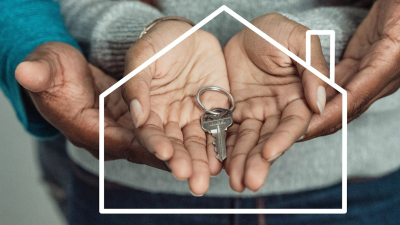
Creating a new property is an investment in the future, as well as an endeavor of the present. Whether you are building an office space warehouse, an at-home workshop, or an individual dwelling, building with the end in mind is always part of the plan. Creating a space that is durable in harsh weather conditions and adjustable with your changing needs is part of this principle of building, and it is commonly known by the term "future-proofing." The trick to this is accomplished by using the right materials in the initial stage of creation.
Versatile materials are the key to creating a future-proofed space. Selecting construction materials with versatility, resilience, and longevity will ensure your space is valuable for years to come.
Understanding Versatile Materials
A resourceful material refers to the ability of one material to play several roles rather than being specifically suited for one condition over another without losing its integrity in the process of construction or creation. These materials are said to be very flexible as far as their applications are concerned rather than being too rigid for the users.
Effective versatility in construction materials allows it to resist different environmental forces such as high wind, weight due to snow, or scorching heats, in addition to allowing flexibility when it comes to design changes. This product fills the gap that exists in construction materials between beauty and strength.
The Financial and Structural Aspect
First and foremost, the benefit the adaptable material choice provides is its durability. This means that the materials should be able to withstand natural elements as well as heavy use. The more they are able to withstand natural elements and heavy use, the fewer repairs they will require, hence reducing their cost. Although the first cost may be similar or even higher compared to other materials, the long-term investment benefits are substantial.
Adaptability is the next thing that matters here. With the expansion of your business or personal life, adjustments in property might be required as well. This is where flexible construction techniques come into play. One might begin with just an additional storage space that would need an extra layer of insulation as an office. It’s that easy with an adaptable property.
Steel: The Champion Of Versatility
Talking about flexible construction materials, steel is at the top of the list. Steel is very strong, to say the least, but at the same time, it is much lighter than other materials such as concrete. Steel has a greater strength-to-weight ratio than other construction materials. The result is that there is no need to install supporting columns inside the building. A property owner can create any type of floor plan required with durable engineered metal buildings.
They are also termite, mold, and fire-resistant. Steel structures can be designed according to your preferences. Insulation, windows, doors, or even an entire new part of a steel structure can be added easily to an already existing steel structure, even after a number of years. This is because the parts are usually pre-engineered, resulting in faster construction.
Including Versatility Throughout Your Property
Adaptable materials are not only used on the basic structure. They are used on the roofing, on siding, and on interior design. Metal roofing lasts longer than asphalt shingles and is often placed on top of existing roofing, meaning there is little waste. The siding is available in various formulas that resemble wood, yet it does not rot or bug.
On the interior, the following suggestions can be implemented. Use moving walls whose absence or reconfiguration won’t affect the architectural integrity of the building. This way, the office spaces or living quarters can be rearranged as needed. Making every aspect of the building flexible ensures the entire building integrates as a single flexible system.
Investing in a Resilient Future
"Future-proofing" therefore involves having the ability to see what the future may hold and preparing for it. By designing and building with materials that can adapt to change, such as steel, you are not only erecting a structure; you are providing dynamic assets. This will give you an investment that needs less upkeep, can adapt to the challenges that nature poses to it, and will adapt to your future goals as well. By designing and building for the future, you guarantee peace of mind!