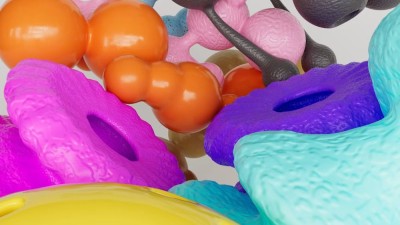
Walk through a toy section, and you'll notice how much shelf space has shifted toward tactile, sensory-focused products. Fidget spinners were an early signal of this trend, but the category has matured significantly since then. Products like bouncing putty, kinetic sand, slime kits, and textured fidget tools have moved from niche to mainstream and for retailers, understanding why is commercially relevant.
What's Driving Consumer Demand
The growth in sensory toys reflects several converging trends. Awareness of sensory processing differences and the legitimate therapeutic value of sensory tools for children with ADHD, autism spectrum conditions, and anxiety, has increased significantly among parents and educators. Products originally developed for occupational therapy contexts have crossed over into mainstream consumer demand.
At the same time, the general population’s interest in stress relief and mindfulness tools has grown. Bouncing putty wholesale buyers report strong demand not just in children's toy categories, but also in adult novelty, wellness, and even workplace product sections. The appeal of something tactilely satisfying doesn’t require a clinical reason; it simply requires hands, curiosity, and a moment of downtime.
The Retail Case for the Category
Sensory toys check several boxes that make them particularly attractive from a retail perspective. They’re highly repurchasable, putty gets used up, slime dries out, and small fidget tools often get lost, creating natural repeat purchase cycles that benefit retailers. They’re also giftable across a wide age range, from young children to adults.
In addition, these products photograph and demonstrate well, making them strong performers in social media-driven retail environments where visual appeal matters. The category also lends itself naturally to upselling and cross-selling. A customer buying putty may also want accessories like containers, mixing tools, or activity books. A display that groups complementary sensory products together often performs better than single-item shelf placement.
Quality Variation in the Market
The growth of the category has brought enormous quality variation. Products that look similar in a product photo can behave very differently in terms of texture consistency, durability, safety certification, and whether they actually deliver the tactile experience consumers are looking for.
For retailers selecting which products to stock, safety certification is non-negotiable, especially for anything marketed toward children. Beyond compliance, the actual sensory experience matters just as much in driving repeat purchases and positive reviews. Lower-quality versions of putty or kinetic sand often lose their texture quickly, dry out, or become unpleasant to handle, which can lead to dissatisfaction, returns, and long-term damage to customer trust in the category.
Positioning Within a Store
Where sensory products are placed within a retail environment has a direct and measurable impact on how well they sell. Products that can be touched, tested, or demonstrated before purchase through properly designed demo stations or open sample areas consistently outperform equivalent products that are fully sealed in packaging. The category is fundamentally tactile, so allowing customers to physically experience it before buying is not just helpful, but often essential to conversion.
End-cap displays, checkout lane placement, and eye-level shelving also work particularly well for impulse-driven sensory items, especially smaller products like putty or mini fidget tools. When positioned correctly within a store layout, these products can capture attention quickly, encourage interaction, and convert casual curiosity into immediate purchases more effectively than traditional toy categories.