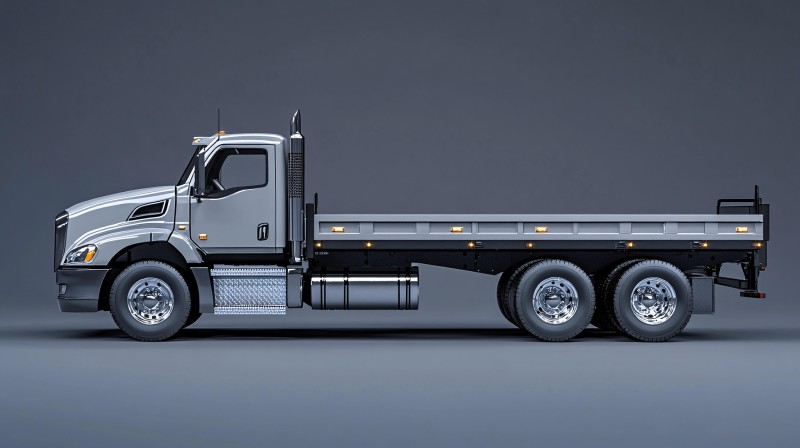
The Australian landscape presents a unique set of challenges for the automotive transport and logistics sector. With major infrastructure projects expanding across the nation and mining operations driving regional economic growth, the need to move large-scale machinery is higher than ever. This surge in industrial activity is fundamentally shifting how transport businesses operate, forcing fleets to upgrade their capabilities to handle extreme payloads safely. Heavy-duty transport is no longer just about getting goods from point A to point B. It requires a highly sophisticated approach to logistics, precise route planning, and specialised equipment that can withstand the extreme rigours of the outback.
The Growing Demands on Commercial Freight Logistics
To understand the rise in heavy machinery haulage, one must first look at the foundational changes occurring in general freight. The operational realities of commercial road transport have become highly dependent on technology and stringent safety protocols. As highlighted in a recent overview of dry van trucking jobs and what you need to know, modern commercial transport relies heavily on effective route management and reliable equipment to maintain industry safety and efficiency standards.
This foundational efficiency in standard freight logistics has paved the way for more complex transport operations. When companies master the basics of fleet management in standard commercial trucking, they are much better positioned to tackle the logistical hurdles of moving oversized industrial machinery across vast Australian distances. Advanced tracking, proactive maintenance, and strict driver scheduling are now the baseline expectations for any business looking to enter the heavy haulage market.
Handling Extreme Payloads
Moving massive industrial excavators, bulldozers, or agricultural equipment requires highly specialised transport solutions. Standard commercial trailers simply cannot bear the intense weight or provide the required stability for these immense loads. To safely navigate both sealed highway networks and unpredictable regional dirt roads, operators need trailers designed specifically for optimal weight distribution.
By investing in Australia's best quad trailers, transport companies can ensure the load is evenly spread across multiple axles. This significantly reduces the mechanical strain on the towing vehicle and minimises the physical impact on vulnerable road surfaces. These heavy-duty assets are engineered with robust steel materials and advanced suspension systems to provide exceptional stability during long hauls. Upgrading to equipment that can reliably manage excessive tonnage is now an indispensable strategy for the modern heavy transport sector.
Navigating Heavy Vehicle Regulations and Safety
As payloads increase across the transport sector, so does the collective responsibility to maintain strict safety standards. The Australian government enforces rigorous compliance measures to protect truck drivers, everyday road users, and public infrastructure. Managing driver wellbeing is a primary concern in the heavy haulage industry, especially when transporting oversized loads over marathon distances.
According to the National Heavy Vehicle Regulator, national law strictly defines a fatigue-regulated heavy vehicle as any vehicle or combination with a Gross Vehicle Mass (GVM) or Gross Combination Mass (GCM) of over 12 tonnes. Transporting multi-tonne machinery easily exceeds this regulatory threshold, meaning operators must carefully log their work and rest hours at all times. Failing to adhere to these national compliance standards can result in severe financial penalties and highly dangerous driving conditions.
Key Features of Modern Transport Equipment
To meet both growing logistical demands and strict regulatory requirements, heavy transport operators must select equipment that offers specific technical capabilities. When evaluating the shift toward industrial automotive transport, several critical features define a capable heavy-duty fleet:
- Advanced Load Distribution: Ensuring weight is spread effectively across multiple axles prevents structural damage to the trailer and protects national road networks from excessive wear.
- Heavy-Duty Suspension: Robust suspension systems are crucial for absorbing intense physical shocks on uneven outback terrains.
- Customisable Deck Configurations: Variable trailer platforms allow transport operators to accommodate different types of awkward construction and mining machinery securely.
- Enhanced Braking Systems: Upgraded electronic braking systems offer superior stopping power, which is absolutely vital when slowing down vehicle combinations weighing dozens of tonnes.
The ongoing evolution of automotive transport in Australia is being heavily influenced by the demands of the industrial sector. As the requirement for moving massive equipment continues to rise, transport companies must adapt by refining their logistics strategies and upgrading their fleets. By prioritising safety compliance and investing in specialised transport equipment, the Australian heavy haulage industry is proving it can meet the extreme demands of a growing modern economy.