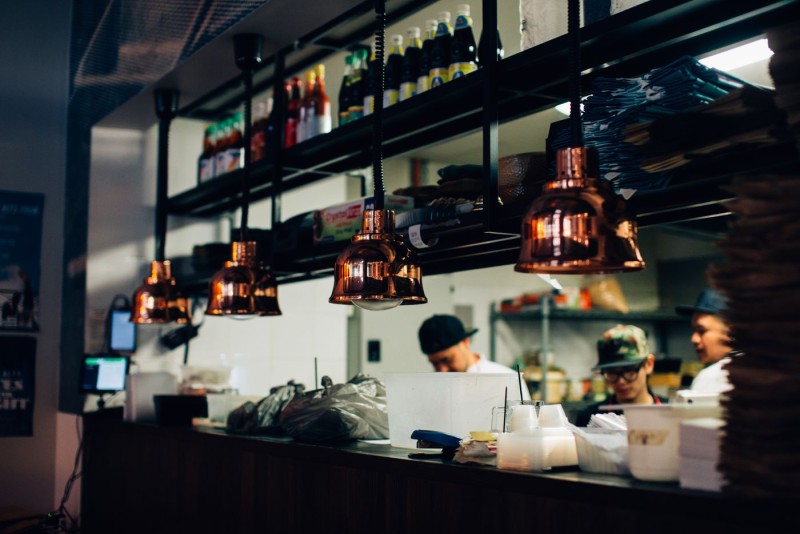
Running a successful restaurant takes more than a great menu and a welcoming dining room. In an industry known for thin margins and fierce competition, owners must constantly look for ways to stand out, retain loyal customers, and attract new ones. Whether you're just getting started or you've been in business for years, there are always opportunities to refine your operations and elevate the overall experience you offer. Below are five practical tips that can help take your restaurant to the next level.
Refine Your Menu with Purpose
A menu should do more than list dishes; it should tell a story about who you are as a restaurant. Overly long menus can overwhelm customers and strain your kitchen's efficiency, while a focused, well-curated selection allows you to highlight your best dishes and maintain consistent quality. Take time to evaluate which items are truly popular and profitable, and don't be afraid to retire dishes that don't perform well. Seasonal specials can also keep your offerings fresh and give returning customers a reason to keep coming back. A thoughtfully designed menu, paired with clear descriptions and appealing presentation, makes a strong first impression before a single bite is taken.
Invest in Staff Training and Culture
Your team is the face of your restaurant, and their performance directly shapes the customer experience. Investing in ongoing training, not just for new hires but for your entire staff, helps maintain consistency in service quality and food preparation. Beyond technical skills, fostering a positive workplace culture reduces turnover and encourages employees to genuinely care about the guest experience. Happy, well-trained staff are more likely to go the extra mile, whether that means remembering a regular's usual order or smoothly handling a stressful rush. A strong internal culture often translates directly into the warmth and professionalism customers notice when they walk through the door.
Strengthen Your Online Presence
In today's digital-first world, many diners decide where to eat based on what they find online before ever stepping foot inside. A well-maintained website, active social media accounts, and prompt responses to customer reviews all contribute to a restaurant's reputation. High-quality photos of your dishes, engaging posts about specials or events, and consistent branding across platforms help create an inviting digital presence. For restaurants looking to take this further, partnering with a quality food marketing agency can help craft targeted campaigns, improve visibility on search engines and social platforms, and ensure your brand message reaches the right audience. A strong online presence doesn't just attract new customers; it also reinforces loyalty among existing ones.
Prioritize the Guest Experience
Food quality matters enormously, but it's rarely the only factor that determines whether a customer returns. Every touchpoint, from the moment a guest walks in to the moment they leave, shapes their overall impression. Comfortable seating, appropriate lighting, background music, and attentive but unobtrusive service all contribute to the atmosphere. Small gestures, such as remembering a regular customer's preferences or promptly addressing a complaint, can leave a lasting positive impression. Restaurants that consistently deliver a memorable overall experience, not just good food, tend to build stronger word-of-mouth reputations and repeat business.
Streamline Operations and Embrace Technology
Behind every smooth dining experience is an efficient operation working quietly in the background. Modern point-of-sale systems, inventory management software, and online reservation or ordering platforms can significantly reduce errors and save valuable time. Streamlining these processes not only improves the customer experience through faster service and fewer mistakes but also gives owners clearer insight into costs, waste, and profitability. Restaurants that embrace the right technology tend to operate more efficiently, allowing staff to focus more energy on hospitality rather than administrative tasks.
Conclusion
Elevating a restaurant business requires attention to many moving parts, from the dishes on the menu to the technology running behind the scenes. By refining your offerings, investing in your team, strengthening your digital footprint, prioritizing the guest experience, and streamlining daily operations, you create a foundation for sustainable growth. These changes don't need to happen overnight; even gradual improvements in these areas can compound over time, helping your restaurant build a stronger reputation and a more loyal customer base. Success in this industry ultimately comes down to consistency, care, and a genuine commitment to giving guests a reason to return.