Table of Contents
- Introduction
- Historical Significance of Curved Doorways
- Modern Appeal and Design Integration
- Functional Benefits of Arched Doorways
- Incorporating Curved Doorways into Your Home
- Material Choices for Curved Doorways
- Maintenance Tips for Longevity
- Cost Considerations and Budgeting
- Future Trends in Curved Doorway Designs
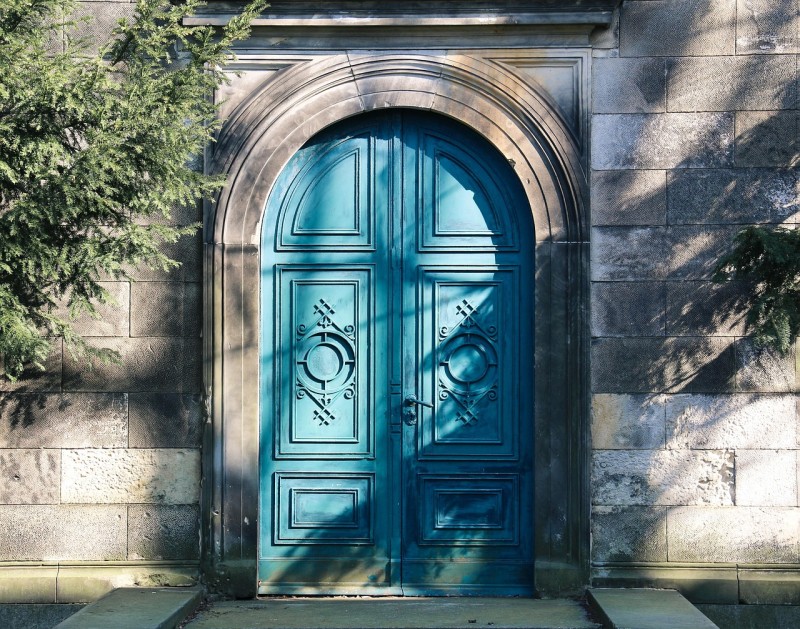
Curved doorways combine classic elegance and modern practicality, attracting homeowners, architects, and design enthusiasts. They elevate entryways, creating sophisticated moments of warmth and sophistication, akin to the arches of cathedrals or the gentle curves in modern homes. As today’s homeowners and designers seek innovative ways to infuse character, light, and organic movement into interiors, details like arched wooden double doors are rapidly rising in popularity. These doors exemplify how traditional craftsmanship and modern aesthetics coexist harmoniously, forming an enduring, on-trend design synergy. From their storied origins in ancient architecture to their current renaissance across homes and businesses, curved doorways have always struck an impressive balance between aesthetic allure and functional benefit. Their sustained appeal lies in their ability to offer spaces not just visual intrigue, but also practical advantages—increased light or improved flow. For anyone eager to transform the ordinary into something truly extraordinary, arched doorways are a source of inspiration, inviting both admiration and engagement while enhancing the comfort and livability of an environment.
Historical Significance of Curved Doorways
Throughout the annals of architecture, arched and curved doorways have symbolized more than mere passageways—they represent milestones of human ingenuity, opulence, and societal progress. In ancient Rome, engineers perfected the use of the arch, allowing them to construct monumental gateways, vaulted ceilings, and domes that stood as testaments to the civilization’s advanced understanding of geometry and load distribution. These impressive designs signified stability and grandeur, while also reflecting the Romans’ aspirations toward eternity and divinity. Moving forward in history, Gothic architects of the Middle Ages introduced pointed arches into the soaring structures of cathedrals, elevating sacred spaces toward the heavens and providing vital structural support to enormous stained glass windows and intricate stonework. These grand openings became spiritual and visual central features, shaping the identity of some of the world’s most treasured buildings. Over centuries, the flowing lines and elegant transitions offered by curved doorways have persisted, proving that such artistry is far from ephemeral and continues to enrich modern design with a lineage of meaning and distinction.
Modern Appeal and Design Integration
Today’s design world is witnessing a resurgence of curved doorways—not just as a nostalgic nod to the past, but as a thoughtful response to a desire for softer, more welcoming interiors. Although popular in minimalist and industrial aesthetics, straight lines and sharp corners can sometimes impart a sense of austerity or coldness. Curved openings, by contrast, bring a sense of natural movement and tranquility. Their gentle arcs offer a visual and tactile break from rigidity, instantly making spaces feel more inviting and thoughtfully curated. As a result, architects and decorators are weaving curved doorways into diverse environments—from ultra-minimalist city lofts to rustic countryside retreats and eclectic modern homes. In each case, the arch serves as a subtle statement piece, drawing the eye while fostering a sense of continuity.
Curved doorways are especially prized for their ability to blend with various materials, such as glass for transparency, steel for a sleek modern edge, or classic wood to evoke warmth. These materials create entrances that marry tradition with innovation when paired with softly rounded forms. The arched form also introduces visual connectivity between spaces, framing sightlines, channeling daylight, and even blurring the boundaries between indoors and out while complementing contemporary furniture, natural finishes, and muted color palettes. Curved doorways reveal their versatility through these integrations, contributing artistic character and functional cohesion to modern living.
Functional Benefits of Arched Doorways
- Enhanced Natural Light: The unique shape of arched doorways often enables wider or taller openings, ensuring that light streams freely between rooms. This abundance of illumination creates airier, uplifting spaces, supporting well-being and productivity while highlighting interior features.
- Perceived Spaciousness: Because the lines of an arch sweep gracefully upward, they naturally draw the eye toward the ceiling, creating the illusion of vertical expansion. This effect can make even modestly sized rooms feel more generous, open, and elegant without requiring physical expansion.
- Improved Flow: Beyond aesthetics, curved openings facilitate movement by erasing abrupt thresholds and allowing seamless transitions between areas. This promotes visual continuity throughout the home, helping to unify open-plan layouts or create easy passageways between functional zones.
Incorporating Curved Doorways into Your Home
Embracing the timeless charm of curved or arched doorways in your residence can be as straightforward or ambitious as you wish. Begin by assessing the areas where these features will have the most significant impact—at a main entry, in hallways, or as transitions to special living spaces. Consider traffic patterns, views, and the ability of the new doorway to harmonize with the current architecture. Whether you wish to create a dramatic grand entrance or a subtle interior archway, a thoughtful approach ensures a cohesive and intentional result. Here are a few essential steps to guide you:
- Assess Structural Feasibility: Always consult an architect or builder before making any changes, especially when considering modifications to load-bearing walls. This step guarantees that your vision can be safely and effectively realized.
- Choose Appropriate Styles: From gentle curves that barely break the horizontal to bold, tightly arched portals, select a silhouette that reflects your taste while paying homage to your home’s architectural style. This ensures a design that feels both fresh and timeless.
- Consider Scale and Proportion: Success lies in striking the right visual balance. Large, sweeping arches make dramatic statements in spacious foyers or open-concept areas. At the same time, smaller, delicately rounded openings can lend coziness to more intimate spaces like alcoves, reading nooks, or bathroom entries.
If you’re seeking inspiration or ready-to-install options, discover how arched wooden double doors can serve as striking exterior statements and beautiful interior accents, seamlessly merging aesthetics with everyday utility.
Material Choices for Curved Doorways
The material you select for your curved doorway will significantly shape its personality, maintenance needs, and overall impact. Each material brings unique strengths and design possibilities:
- Wood: Long considered the gold standard for both traditional and modern interiors, wood can be custom-carved, stained, or painted, providing limitless opportunities for creativity. Its textural warmth appeals across generational tastes, and for those seeking decorative flourishes or intricate paneling, it’s unrivaled in its adaptability.
- Steel: Perfect for industrial-style spaces or contemporary homes, steel offers strength, durability, and the possibility of slender, strong framing. It can be finished in various sheens, from matte black to glossy metallic, making it a versatile, long-lasting option.
- Glass: For spaces where maximizing light and creating visual expansiveness is the priority, glass arches work wonders. Whether frosted, clear, or tinted, they open up sightlines and can make interiors feel almost boundaryless. Pairing glass with wood or metal frames adds depth and architectural dimension.
Maintenance Tips for Longevity
Proper maintenance will ensure that your curved doorway dazzles and endures for generations. Here’s how to keep yours in top shape:
- Regular Cleaning: Each material has specific cleaning requirements, but the goal is to prevent dirt buildup and avoid using harsh chemicals that may cause discoloration or wear, mainly on wood and metal finishes.
- Inspect for Damage: Make a habit of seasonal inspections to check for emerging issues such as cracks in wooden arches, rust on metal surfaces, or gaps due to settling or shifting. Early intervention can prevent more costly repairs later.
- Protective Finishes: Depending on exposure and location (indoors vs. outdoors), use sealants, weatherproof paints, or protective coatings to shield your doorway from humidity, sun, and everyday wear. This is particularly crucial for exterior arches, which face the elements year-round.
Cost Considerations and Budgeting
The expense of installing a curved doorway varies widely, reflecting everything from material choice to complexity of installation. While some projects may be as simple as retrofitting an existing opening with an arched frame, others—such as custom exterior entries—can involve significant investment. Factors that influence costs include:
- Material Selection: High-end custom woods or architectural glass will generally carry a higher price tag than prefabricated or mass-produced options.
- Labor Intensity: Skilled labor is crucial. Crafting and correctly installing a well-proportioned arch, especially in a structural wall, requires specialized expertise, which is reflected in labor costs.
- Finish and Detailing: The choice of hardware, additional moldings, or artistic enhancements will influence budget and timeframes.
Request multiple quotes and define your scope clearly to ensure a successful project. This approach will help you align expectations and select options that balance quality, style, and budget.
Future Trends in Curved Doorway Designs
The future of curved doorway design is vibrant, adaptive, and increasingly intertwined with sustainability and technology. As eco-friendly practices take center stage, expect more use of reclaimed materials, responsibly sourced woods, and recyclable metals. Additionally, advances in construction mean slimmer, stronger, more expressive arches are possible, closer to budget, opening up design freedom previously reserved for large-scale builds. Integrating innovative features such as digital locks, automated glass panels, and even climate control elements is becoming the norm, bringing the traditional archway into the smart home era. Mixed-media innovations—like the pairing of wrought iron with textured glass, or distressed wood alongside polished steel—create visually striking contrasts that honor the curved doorway’s historic roots while projecting it squarely into the future. Explore why designers trade traditional doorways for captivating curves if you’re looking for emerging ideas and expert commentary. The article Curved Sliding Doors: Modern Design & Function is a valuable resource for actionable advice on integrating both aesthetics and functionality.