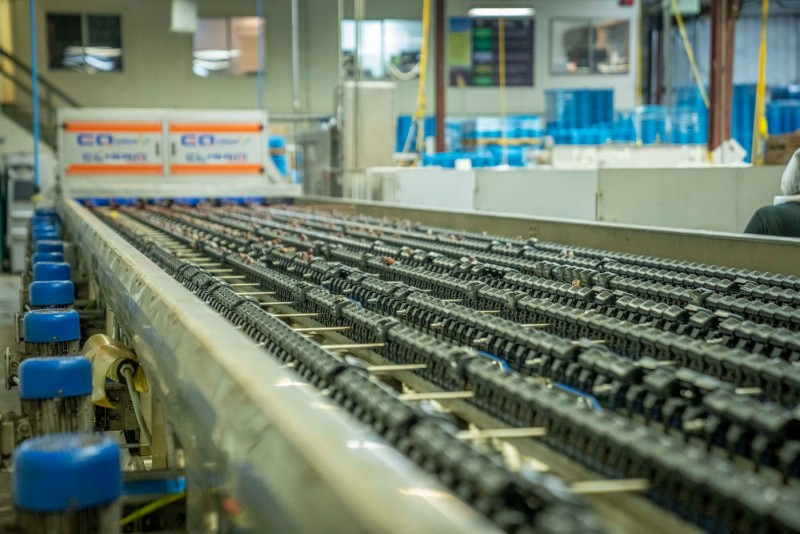
Keeping production lines running smoothly depends on many moving parts. However the conveyor belt plays a much bigger role than expected. It sits at the center of daily operations across many industries. Whether you process food or manufacture parts the system matters. The right conveyor setup will directly affect speed hygiene and costs.
Many businesses overlook this detail during early planning stages. However the impact becomes clear once problems start appearing. A poorly chosen system can slow production and increase maintenance needs. On the other hand, the right system will improve efficiency quickly. It will also reduce downtime and support long term performance.
Why the Right Conveyor Belt System Matters
A conveyor belt is not just a simple moving surface. It works closely with your products and production environment daily. It must handle cleaning processes, temperature changes and production speed demands. Therefore choosing the wrong belt can create serious operational issues.
For example, contamination risks may increase with poor material choices. Maintenance costs may also rise due to frequent repairs or replacements. Labor effort can grow when systems require constant attention. However the right belt will reduce these challenges significantly. It allows smoother operations and more predictable performance over time.
Because of this many industries now prefer metal conveyor systems. These systems offer better durability and hygiene compared to alternatives. Therefore they are widely used in both food and industrial settings.
Benefits of Stainless Steel Wire Mesh Belts
Stainless steel wire mesh conveyor belt is widely used today. They feature interlocking wires that create an open structured surface. This design allows air liquids and heat to pass through easily. As a result they support efficient processing in many environments.
One major advantage is hygiene. Stainless steel does not trap bacteria like porous materials often do. The open mesh design also allows easy cleaning after production cycles. Therefore it meets strict sanitation standards in food industries.
Another key benefit is temperature resistance. These belts handle both extreme heat and freezing conditions well. They do not warp or degrade under sudden temperature changes. Because of this they are ideal for ovens, freezers and fryers.
Airflow is also improved with mesh belts. Hot air can circulate evenly during baking processes. Cold air can reach products quickly during cooling or freezing stages. Liquids can drain easily during washing or processing operations.
Durability is another strong advantage. Stainless steel resists corrosion from moisture and chemicals over time. Therefore these belts often last much longer than other materials. This reduces replacement frequency and overall costs.
Applications Across Different Industries
Metal conveyor systems are used in many industries worldwide. Food processing is one of the most common applications today. These belts move products through ovens, washers and cooling systems. They must meet strict hygiene and safety requirements at all times.
Pharmaceutical and cosmetic industries also rely on similar systems. Cleanliness and material safety are critical in these environments. Conveyor belts help move products through drying and inspection stages.
In addition, the electronics and automotive sectors use metal belts regularly. These systems support processes like heat treatment and component assembly. Precision and stability are very important in these applications.
Environmental processing is another area where metal belts are useful. They handle heavy materials that would damage lighter conveyor systems. Therefore they are chosen for strength and long term durability.
Factors That Make a System Successful
Choosing the right belt is only the first step in the process. Several factors must work together for best performance results. Proper belt selection should match the specific application needs closely. Different mesh styles support different types of products effectively.
Drive components also play an important role in system performance. These include sprockets, shafts and supporting structures. If these parts are not matched correctly problems may occur. Belt wear can increase and tracking issues may develop over time.
Correct tension and alignment are also very important for smooth operation. A poorly aligned belt will wear faster and reduce efficiency. Therefore regular checks and adjustments are necessary.
Maintenance should never be ignored in any system. Even durable metal belts require inspection and care regularly. Small issues should be fixed early before they become major failures.
Importance of Support and Maintenance
A good conveyor system requires ongoing support after installation. Technical guidance helps solve problems quickly during operations. It also ensures that systems perform at their best capacity.
Regular inspections can identify wear patterns early. This helps prevent sudden breakdowns and costly downtime. Maintenance teams should also be trained to handle routine adjustments.
Proper tools make maintenance work faster and more effective. When combined with training they improve equipment lifespan significantly. Therefore businesses should invest in both knowledge and tools.
Custom Solutions for Unique Needs
Not every production line follows the same design or requirements. Some operations need specific belt sizes or mesh patterns. Others may require special edge designs or unique configurations.
Custom solutions help meet these specific challenges effectively. A tailored belt will perform better than a standard option. It also fits perfectly within the available production space.
Therefore working with experienced manufacturers is very important. They can design solutions based on exact operational needs. This leads to better performance and fewer long term issues.
Understanding Total Cost of Ownership
Many businesses focus only on initial purchase price during decisions. However, long term costs are more important in most cases. These include maintenance energy usage and replacement frequency.
A high quality belt may cost more at the beginning. However it often saves money over time through better performance. It also reduces downtime and maintenance effort significantly.
Therefore it is important to evaluate full lifecycle costs carefully. This approach helps businesses make smarter investment decisions.
Final Thoughts
Metal conveyor belt systems offer strong and reliable performance across industries. Stainless steel wire mesh belts provide excellent hygiene and durability. When chosen correctly they improve efficiency and reduce operational stress.
However success depends on proper selection, installation and regular maintenance. Support from experienced manufacturers also plays a key role. With the right approach these systems become long term assets.
In the end the best conveyor system is one you rarely notice. It runs smoothly and supports your operations without constant attention. That is the real goal for any production environment.