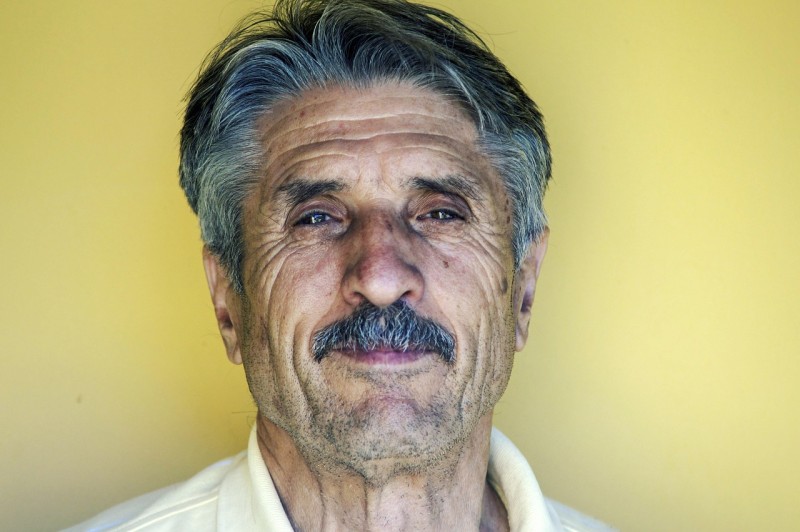
You know that moment when you catch your reflection and notice your hairline isn't quite where it used to be? Westland's premier hair restoration solutions are changing how men approach this common challenge. Half of all men over 50 experience male pattern baldness, and honestly, it's not just about vanity—it's about confidence, self-image, and feeling like yourself again.
For guys in Westland, Garden City, Dearborn, and Canton, the emotional impact hits differently during these summer months. Wedding season, family reunions, pool parties—suddenly that receding hairline feels more noticeable. But here's the thing: you're not stuck with whatever genetics handed you.
The good news? Modern hair restoration has come a long way from those obvious "plugs" your dad might remember. Today's treatments are sophisticated, natural-looking, and actually work. Let's break down what's available and how to find the right solution for your specific situation.
What's Really Happening When You Lose Hair
Male pattern baldness—or androgenetic alopecia if you want to get technical—isn't just "getting older." It's a specific process where dihydrotestosterone (DHT) gradually shrinks your hair follicles. Think of it like a slow-motion squeeze that makes each hair thinner and weaker until the follicle eventually gives up.
The pattern is predictable: it usually starts with a receding hairline that forms an M-shape, then the crown begins thinning. Over time, these areas expand until they meet, creating that familiar horseshoe pattern. The Norwood Scale maps this progression through seven stages, from slight temple recession to advanced baldness.
Here in Michigan, our harsh winters and dry indoor heating can actually accelerate the process. The constant temperature changes stress your scalp, while heated indoor air strips moisture from your hair and skin. Add in the stress of daily life—work pressures, family responsibilities, maybe some financial worries—and your hair follicles are fighting an uphill battle.
But here's what most guys don't realize: the earlier you catch this process, the more options you have. Waiting until you're completely bald limits your choices significantly.
Your Treatment Arsenal: What Actually Works
Let's cut through the marketing hype and talk about what science actually supports.
Minoxidil (Rogaine) is probably the most familiar option. You apply it directly to your scalp twice daily, and it works by increasing blood flow to hair follicles. The catch? You need patience—results typically take 6-12 months to become noticeable. About 60% of men see some regrowth, though "regrowth" might mean slowing loss rather than getting back your teenage hairline. Side effects are usually mild: some scalp irritation, occasional headaches.
Finasteride (Propecia) attacks the problem at its source by blocking DHT production. This oral medication has impressive success rates—80-90% of men either maintain their current hair or see some improvement. The downside? Some men experience sexual side effects, though they're reversible when you stop taking it. You'll need a prescription and regular check-ins with your doctor.
Now, here's where things get interesting. Platelet-Rich Plasma (PRP) therapy takes your own blood, concentrates the growth factors, and injects them back into your scalp. It sounds a bit sci-fi, but the results are real. The typical protocol involves monthly treatments for three months, then maintenance sessions every few months. Your body is essentially healing itself from the inside out.
Laser hair therapy uses low-level light to stimulate cellular activity in hair follicles. FDA-cleared devices are available for home use, though professional treatments tend to be more powerful. The science is solid—light therapy increases ATP production in cells, which can revitalize weakened follicles.
For guys with more advanced hair loss, hair transplant procedures have evolved dramatically. Modern techniques like Follicular Unit Extraction (FUE) move individual follicles from the back of your head to thinning areas. The results are permanent and, when done well, completely natural-looking. It's a bigger investment in time and money, but it's also a permanent solution.
Finding Your Hair Restoration Partner in Westland
Here's where things get personal. Not every hair restoration service understands the specific needs of men in our community. You want someone who gets that you're not looking for a Hollywood transformation—you just want to look like yourself again.
Medical expertise matters more than flashy marketing. Your provider should have specific experience with male pattern baldness, not just general cosmetic procedures. Ask about their credentials, how many men they've treated, and what their typical success rates look like. A good practitioner will show you before-and-after photos of patients with similar hair loss patterns to yours.
Technology makes a difference too. Modern equipment and multiple treatment options mean your provider can customize an approach that fits your specific situation. Maybe you're a good candidate for PRP combined with laser therapy. Perhaps finasteride plus minoxidil would work better for your lifestyle. The best hair restoration service will have multiple tools in their toolkit.
Location matters more than you might think. Hair restoration isn't a one-and-done deal—most treatments require ongoing maintenance. Having a provider close to home in Westland means you're more likely to stick with your treatment plan. Plus, local providers understand the unique challenges of Michigan weather and lifestyle.
Watch out for red flags: anyone promising miraculous results, pressuring you to start immediately, or offering one-size-fits-all solutions. Good medicine takes time, and honest providers will give you realistic expectations about what's possible.
During your consultation, expect a thorough scalp analysis, discussion of your goals and lifestyle, and a personalized treatment plan. Clark Internal Medicine and Aesthetics, for example, takes this comprehensive approach seriously—they understand that every man's hair loss journey is different.
Your Next Move
The reality is that hair loss is progressive. What you see today will likely be worse in six months without intervention. But here's the encouraging part: starting treatment now, even if your hair loss seems minor, gives you the best chance of maintaining what you have and potentially regaining some of what you've lost.
Most effective approaches combine multiple treatments. Your provider might recommend finasteride to block further DHT damage while using PRP to stimulate regrowth and laser therapy to support overall scalp health. It's not about finding the one magic solution—it's about creating a comprehensive plan that works with your body's natural processes.
The consultation process is straightforward and confidential. Bring photos of yourself from a few years ago if you have them—they help your provider understand your hair loss pattern and set realistic goals. Most importantly, be honest about your expectations, lifestyle, and concerns.
Summer's the perfect time to start. Beginning treatment now means you'll see initial results by fall, with more significant improvements by next spring. And honestly, there's something liberating about taking control of the situation instead of just watching it happen.
Your hair doesn't define you, but feeling confident in your appearance shouldn't be too much to ask. The right hair restoration service can help you get there—you just need to take that first step.