Copyright infringement has always been a moving target. As long as there have been creators producing valuable content, there have been opportunists eager to copy, redistribute, and profit without permission. For years enforcement under the Digital Millennium Copyright Act has relied on matching file names, metadata, or exact duplicates of videos and images. That strategy worked when pirates were lazy, but the modern internet has evolved. Re-encoding, cropping, trimming, watermarking, and renaming have become routine. Traditional takedown systems are easily fooled. To stay ahead, the focus has to move from the file to the person. Artificial intelligence makes this possible by enabling face-based scanning that looks beyond surface changes and recognizes the creator’s likeness at its core.
The logic is simple. When content is stolen, the one element that rarely disappears is the face of the person featured in it. Even when the background shifts, even when the audio is muted, even when the resolution drops, the human face remains recognizable. AI excels at learning and identifying patterns, and the human face is one of the most distinctive patterns available. By teaching AI systems to analyze facial features rather than filenames or pixels, creators gain a tool that can track misuse across countless platforms, no matter how the content has been altered.
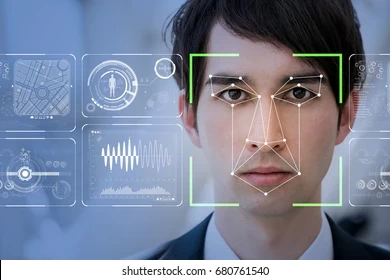
The way this works in practice begins with a reference set. Creators provide images or video stills of themselves that act as anchors. AI models analyze these images and extract a digital fingerprint of facial features. This fingerprint is not about storing photos but about translating unique geometry into mathematical representations. Once built, the system scans videos and images across websites, comparing detected faces against the reference. If the likeness is discovered in unauthorized locations, the platform alerts the creator and enables swift takedown action.
The shift from traditional scanning to face-based scanning is more than technical innovation. It is empowerment. For years creators have been stuck in reactive mode, discovering infringements only after fans stumbled upon them or after traffic and revenue were siphoned away. With AI in place the process flips. Scanning runs continuously in the background, proactively identifying violations in real time. Instead of relying on luck or vigilance, creators receive a constant safety net that watches over their identity.
Accuracy is the heart of this evolution. Early detection systems often produced endless false positives. A blurred image, a coincidental match in color palette, or a misinterpreted background triggered countless false alerts. AI face recognition dramatically reduces these errors. Trained on massive datasets, modern models can handle lighting changes, different camera angles, and image distortion. They understand the difference between a watermark overlay and a genuine alteration. That refinement is critical. A detection system is only as good as its precision. Creators do not want to spend hours sorting through useless alerts. They need technology that can distinguish authentic misuse from unrelated content.
The cultural moment makes this even more pressing. Deepfake technology has blurred lines between authenticity and fabrication. Impersonation scams proliferate, with fake accounts using the likeness of real people to mislead audiences. In such an environment, protecting identity is not just about revenue but about trust. A stolen or manipulated video can damage reputation instantly. AI face-based scanning is a shield against this new breed of misuse. It identifies where a likeness appears across platforms, even when the intent is to deceive, giving creators the ability to act before harm spreads.
Building such systems requires balance. While creators need protection, privacy must remain paramount. Reference images should be stored securely and processed in controlled environments. Transparency about how data is used and for how long is essential. Creators deserve to know that their likeness is not being repurposed beyond the purpose of protection. Responsible design means consent is central and safeguards are clear. Trust in the system comes not just from accuracy but from ethical implementation.
Web integration makes this technology especially powerful. A website hosting thousands of videos or images cannot possibly moderate every upload manually. With AI scanning, every new piece of content can be checked automatically. If a match is found, the system can flag it internally, notify the rightful creator, and even block distribution until the dispute is resolved. This scales protection beyond what any human team could achieve. For creators, that scale means peace of mind. For platforms, it means compliance and reduced liability.
Consider the impact on brand integrity. A creator’s face is not only personal but often the centerpiece of their brand. When unauthorized copies spread unchecked, brand dilution follows. Audiences may confuse legitimate posts with pirated ones. Engagement fractures, revenue leaks, and the brand weakens. AI-powered scanning restores clarity. It ensures that when audiences encounter the creator’s face online, they are engaging with authentic content. This reinforces brand equity and strengthens community trust.
The potential applications stretch further. A face-based scanning system can also identify impersonation profiles that steal profile pictures and masquerade as real creators. By comparing avatars across platforms with the original reference, AI can flag suspicious accounts for review. This closes another loophole that traditional DMCA tools often ignore. Instead of waiting for followers to report imposters, creators receive proactive alerts about fraudulent accounts using their likeness.
The most effective systems are not static. They learn continuously. Each detection, whether confirmed or rejected by the creator, feeds back into the model, sharpening its performance. Over time the system becomes more skilled at recognizing the subtle patterns unique to each individual. This feedback loop builds a protective wall that gets stronger with every use. It turns content protection into an evolving partnership between creator and machine intelligence.
For developers, building these systems involves deep technical pipelines. Content must be ingested and analyzed frame by frame. Faces must be detected and converted into embeddings, which are compared against stored references. The system must scale across thousands of uploads every hour while remaining lightweight enough to process results quickly. Beyond detection, it must integrate with workflows that allow creators to manage matches, submit takedown notices, or whitelist legitimate uses. All of this must happen seamlessly, without adding unnecessary friction to the creative process.
From the creator’s perspective, the system should feel invisible. They continue to produce and publish while AI silently works in the background. Alerts arrive only when necessary, clear and actionable. This simplicity hides the complexity beneath, but it is exactly what creators need. They do not want to become experts in copyright law or machine learning. They want to know that their work is safe and that their identity remains theirs alone.
The broader implications are significant. As the internet becomes increasingly visual, identity theft and content theft converge. Protecting digital likenesses is no longer a niche concern but a mainstream necessity. AI-powered face-based scanning sets a precedent for how technology can safeguard both creativity and authenticity. It demonstrates that artificial intelligence is not just about generating content but about defending it.
What makes this advancement most compelling is that it reframes copyright enforcement around people rather than files. Instead of asking whether two videos look the same, it asks whether the same person appears in both. This human-centric approach resonates with the reality of modern media, where faces are brands and identity is the product. In an era defined by personal creators and influencers, protecting the person is protecting the brand.
As AI continues to evolve, face-based scanning will only grow more sophisticated. Models will adapt to live streams in real time, enabling instant flagging of unauthorized broadcasts. They will account for stylistic filters, makeup, and digital effects while still recognizing the same individual underneath. They will integrate across platforms, creating a unified shield that spans the entire digital ecosystem. The more creators embrace these systems, the stronger they will become, building a collective defense against content theft.
In the end, AI-powered face-based DMCA scanning represents a turning point in digital rights protection. It is more accurate, more scalable, and more aligned with how creators actually live and work online. It turns copyright enforcement from a reactive chore into a proactive service. It protects not just content but reputation. It allows creators to focus on creating while AI handles the constant battle against misuse.
The digital world will never be free of bad actors, but it can be designed to favor the authentic over the fraudulent. With artificial intelligence as ally, creators can claim their identity back from the noise of copies and fakes. Their faces are their brands, and AI ensures those brands remain theirs to control.