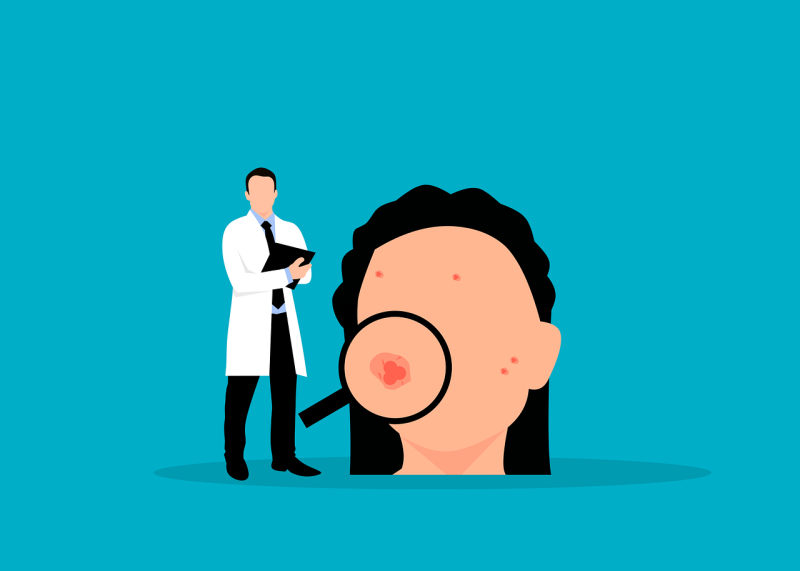
Hormonal acne feels like an uphill battle that never ends. Just when you think you've got your skin under control, another wave of breakouts appears, usually at the worst possible time. While skincare routines and medications play important roles in managing acne, many people overlook the power of professional facial treatments.
The relationship between hormones and skin runs deeper than most realize. Targeted acne facial treatments and consistent care in Westland, MI can make a real difference in how your skin looks and feels, even when hormones seem to be working against you.
Understanding Hormonal Acne and Why It's Different
Hormonal acne typically appears along the jawline, chin, and lower cheeks. These breakouts often coincide with menstrual cycles, stress periods, or major life changes. The pimples tend to be deeper, more painful, and take longer to heal than regular acne.
Your body produces different hormones throughout the month, and these fluctuations directly affect your skin's oil production. When hormone levels spike, your sebaceous glands work overtime, creating the perfect environment for bacteria to thrive and pores to become clogged.
Adult women frequently experience hormonal acne well into their 30s, 40s, and beyond. This type of acne rarely responds to the same treatments that worked during teenage years.
How Professional Facials Target Hormonal Acne
Professional facials can provide deeper cleansing and care than at-home routines. Trained aestheticians use specialized techniques and medical-grade products to address the root causes of hormonal breakouts:
- Deep pore cleansing and extractions: Aestheticians safely remove blackheads and whiteheads that could develop into larger breakouts. This process requires skill and proper sanitization to avoid scarring or spreading bacteria to healthy areas of skin.
- Chemical peels for cell turnover: These treatments help accelerate skin renewal, preventing dead skin cells from clogging pores. Salicylic acid and glycolic acid penetrate deep into follicles and dissolve the buildup that leads to breakouts.
- High-frequency treatments: High-frequency treatments are believed to target acne-causing bacteria and may help reduce the severity of active breakouts. This technology can reduce the severity of existing breakouts and prevent new ones from forming in treated areas.
- Targeted product application: Medical-grade serums and treatments are applied that continue working long after your appointment ends, providing ongoing bacterial control and inflammation reduction.
What to Expect During Your Treatment
Your first acne facial begins with a thorough skin analysis. The aesthetician examines your skin under magnification to identify different types of breakouts, areas of congestion, and any signs of scarring that need attention.
The cleansing process is more intensive than your daily routine. Steam helps soften hardened sebum and makes extractions more comfortable. Your aesthetician will work systematically across your face, removing comedones and clearing blocked pores.
Most acne facials include a customized mask based on your skin's current condition. If you have active inflammation, the mask might focus on calming and healing. For congested skin, the mask may contain clay or charcoal to draw out impurities.
The Science Behind Why Facials Work
Professional acne treatments work on multiple levels to interrupt the cycle of hormonal breakouts. Steam and gentle heat open pores, making it easier to remove impurities that have been trapped beneath the surface.
Antibacterial masks and serums applied during facials continue working long after your treatment ends. Ingredients like benzoyl peroxide, tea tree oil, and niacinamide help control bacterial growth while soothing inflammation that makes breakouts look angry and feel painful.
LED light therapy has gained popularity for treating acne because it addresses multiple causes simultaneously. Blue light has been shown in studies to target P. acnes bacteria, which may improve acne-prone skin.
Timing Your Treatments for Best Results
Understanding your hormonal patterns can help you schedule facials for maximum benefit. Many women find that booking treatments during the week after their period gives them the best results, when hormone levels are more stable.
If you tend to break out before your period, scheduling a facial about ten days beforehand can help prepare your skin for the hormonal surge. The Clark Center for Internal Medicine and Aesthetics in Westland, MI works with clients to develop treatment schedules that align with their individual hormonal patterns and lifestyle needs.
Regular monthly treatments often provide better results than sporadic visits when breakouts are already severe.
Realistic Expectations and Timeline
Hormonal acne doesn't disappear overnight, even with professional treatments. Most people begin seeing improvements after 2 to 3 facials, with more dramatic results appearing after consistent treatment over several months.
Initial breakouts may actually increase slightly for some people as deeply embedded impurities work their way to the surface. This process is temporary and usually resolves within a few weeks of starting treatment.
Your skin may be more sensitive for 24 to 48 hours after treatment, so avoiding harsh scrubs or new products during this time helps prevent irritation.
Combining Professional Care With Home Routine
Professional treatments work best when combined with a consistent home skincare routine. Your aesthetician can recommend products that complement your facial treatments without over-drying or irritating your skin.
Many people make the mistake of using too many harsh products at home, thinking that more aggressive treatment will clear their skin faster. This approach often backfires, causing increased irritation and more breakouts.
Why Facials Make a Difference
The emotional benefits of clearer skin often extend far beyond appearance. When hormonal acne is under control, many people report feeling more confident in professional and social situations.
Most facials take 60 to 90 minutes, and you can return to normal activities immediately afterward. While professional treatments require an investment, many find that regular facials actually prevent severe breakouts that would require expensive emergency treatments.
Long-term success depends on consistency and patience. Facials work best as part of a holistic approach that addresses the unique challenges of hormonal acne with professional expertise and personalized care.
Disclaimer: Professional facials can support clearer, healthier-looking skin, but results vary. For medical advice or persistent acne, consult with a licensed dermatologist or healthcare provider.