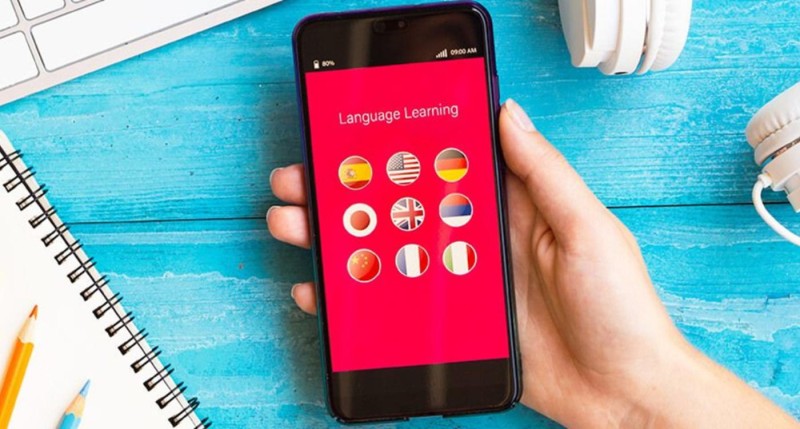
China has one of the largest groups of mobile users in the world. People there rely on apps for almost everything, shopping, learning, payments, and daily tasks. But if your app is not made for them, it may not do well. Language is a big part of this. Using software translation services helps your app speak clearly to Chinese users. It makes your app easy to understand and more enjoyable to use.
In this blog, we will look at how translation helps you build better apps for the Chinese market. We'll cover important areas, from user menus to payment pages. Each part plays a role in your app’s success in China.
Why Translation Is Key for App Success in China
The Chinese language is complex. Many words have more than one meaning. Also, people from different parts of China speak different forms of Chinese. Some use Mandarin, while others use regional styles. If your app only supports English, most users will leave it quickly. But when your app uses clear Chinese, it becomes useful to more people. This builds trust and makes users want to come back.
A well-translated app shows that you care about the local user. It tells them you made the app with them in mind. This simple step helps you stand out from the rest.
Translating Menus and Buttons the Right Way
Menus and buttons guide people through your app. If these are unclear, users will not know what to do next. Direct word-for-word translation does not work well. You need to make sure each button makes sense to a Chinese user. A label that works in English may sound strange or confusing when translated badly.
Make your labels short, friendly, and easy to understand. Always test them with real users from China. Watch where they click. See if they pause or get stuck. Good translation here means users can use your app without stress.
Adapting for Local Search Habits
Search features in your app must match how people search in Chinese. In English, we often use short phrases. But in Chinese, people may use full sentences or group words in a different order. To help users find what they want, your app must understand how they type in Chinese. It should show results even if users use different terms for the same thing. Also, some users may use speech to search. Your app should support voice input in Chinese and provide results fast. This makes the app feel smart and easy to use.
Making Sign-Up Pages User-Friendly
Signing up is often the first step in using an app. If the form is hard to read or confusing, users may quit before finishing. Use simple Chinese for all instructions. Tell users what to enter in each box. Use local date formats, phone number styles, and name orders. These small things help users move through the sign-up smoothly. Also, give feedback in Chinese if they make a mistake. This helps them fix it and move on. A smooth start builds trust right away.
Translating Error Messages and Help Text
No app is perfect. Sometimes users see error messages. If those messages are in English or unclear, it makes users feel lost. Good translation here is very important. Help messages should be short and calm. They should tell the user what happened and what to do next. Also, make sure FAQs and support sections are in Chinese. This shows you are ready to help and care about your users.
Designing for Chinese Text Length and Format
Chinese words take up less space on screen than English words. But this does not mean you should use very short labels. Some ideas take more words to explain clearly in Chinese. Your app design should allow for changes in word length. Make sure buttons and boxes stretch when needed. Also, Chinese does not use spaces between words. This changes how text wraps on screen. Test your app to see if text breaks in the right place. Good layout helps users read faster and click with ease.
Localizing Payments and Settings
China has its own popular payment tools. These include WeChat Pay and Alipay. If your app does not support them, users may not complete their purchase. Use translated labels that match what people already know. Use the same icons and flows they trust.
Also, time, date, and money formats are different. A Chinese user expects prices in yuan, dates in year-month-day format, and time in 24-hour format. These details help your app feel local and ready for use.
Working With a Local Partner
Translation is not just about changing words. It’s about knowing how people think and act. Working with a Chinese translation agency gives you local insight. Such a partner can help you find the right tone, test the app with users, and fix small issues before launch. They know what users like, dislike, or find confusing. They also help you follow local rules and avoid words that might cause trouble or confusion. This step makes your app feel more natural to the local user.
Testing Your App With Real Users
After you translate everything, testing is a must. Let users in China use the app. Watch how they move through it. Ask them what they liked or didn’t understand. Look at how they search, sign up, and use features. Take notes on where they pause or leave the app. Use this feedback to make changes. Keep testing until the app feels smooth and easy. Real user feedback is more useful than guesses.
Updating Content Regularly
Language changes with time. New trends and slang appear. What worked last year may sound old today. Keep checking your app’s language. Update it when needed. Ask your local partner or users to spot changes. This helps your app stay fresh and friendly. Users will keep coming back if the app feels modern and easy to use.
Final Words
Building an app for Chinese users is more than just adding another language. It’s about making every word, button, and message feel right for them. Translation is the bridge. It helps your app reach more people, build trust, and offer a smooth user journey. With the right tools, local help, and good care, your app can do well in China. You don’t just open the door, you invite people in and make them want to stay.