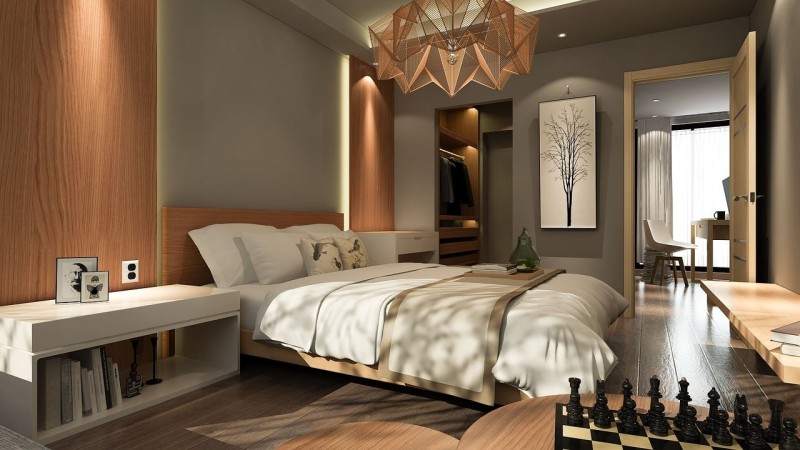
In our hyper-connected world, it is incredibly easy to let the stress of work and social media spill over into our personal downtime. Many Australians end their days scrolling through news feeds in bed, only to wake up and immediately check their messages. This constant digital engagement often leads to screen fatigue, heightened anxiety, and poor sleep quality. To combat this exhaustion, wellness experts are championing a refreshing new trend. They are helping homeowners design tech-free bedroom sanctuaries that prioritise rest, recovery, and analogue living.
By intentionally removing screens and focusing on natural textures, you can transform your bedroom from a stressful extension of the office into a calming, deeply restorative retreat. Replacing your morning habit of phone-scrolling with a dedicated self-care station can dramatically improve your daily mood. Setting up a beautifully crafted timber dressing table gives you a designated, screen-free area to get ready for the day ahead.
Whether you use this space for a slow morning skincare routine, applying makeup, or simply taking a few quiet moments to gather your thoughts, a solid piece of furniture anchors your morning in physical reality. By establishing these physical touchpoints, you set a positive tone for the entire day, completely free from the demands of unread emails and social notifications.
The Science Behind Switching Off
The decision to remove technology from the bedroom is not just about aesthetics or interior design trends. It is firmly rooted in human biology and modern sleep science. When we bring smartphones, tablets, or televisions into our sleeping spaces, we expose ourselves to artificial blue light late into the evening. This constant illumination tricks our brains into thinking it is still daytime.
This late-night exposure disrupts our natural biological clocks and keeps our brains artificially stimulated. According to research from Harvard Health Publishing, blue light suppresses melatonin production for about twice as long as green light and shifts circadian rhythms by twice as much (a full three hours compared to just one and a half hours). By banishing these glowing devices from your bedside, you allow your body to naturally wind down and prepare for a much deeper, restorative sleep cycle.
Choosing Grounding, Natural Materials
When you strip away sleek electronics and glowing plastic screens, the physical materials in your bedroom become much more noticeable. To create a truly calming environment, it is highly recommended to incorporate natural, biophilic elements. Raw materials like solid wood, pure linen, wool, and organic cotton bring a soothing sense of the outdoors inside. This connection to nature has been shown to reduce anxiety and lower resting heart rates, creating an ideal atmosphere for relaxation.
Furthermore, investing in well-made furniture offers physical benefits that extend well beyond basic aesthetics. As interior experts frequently note, material choice matters in long-term ergonomic health. Choosing high-quality, stable materials like solid wood over cheap particleboard or synthetic alternatives ensures your furniture actively supports proper posture and bodily well-being. Solid timber beds, heavy wooden bedside tables, and breathable cotton sheets all contribute to a space that feels sturdy, safe, and deeply comforting.
Steps to Create Your Offline Oasis
Transitioning to a completely screen-free bedroom might feel a little daunting at first, but taking small, intentional steps will help you reclaim your personal space. Here are several effective ways to start the process and build healthier habits:
- Invest in an analogue alarm clock: Removing your smartphone from the bedroom means you will need a new way to wake up. A classic, battery-operated clock completely prevents the temptation to check notifications first thing in the morning.
- Create a reading nook: Place a comfortable armchair and a warm, low-blue-light reading lamp in an empty corner of the room. This provides a clear physical cue that the space is meant for quiet, analogue activities like reading a book or journaling.
- Prioritise warm lighting: Swap out bright, cool-toned LED bulbs for warmer, amber lights. This soft glow mimics the setting sun and encourages your brain to start producing sleep hormones naturally.
- Establish a charging station elsewhere: Leave your phone, smartwatches, and tablets plugged into the kitchen or living room overnight. This helps physically separate yourself from work and social obligations before bed.
By deliberately designing a bedroom free from digital distractions, you give your mind and body the essential space they need to recover. Embracing natural materials, analogue habits, and screen-free routines will ensure your home remains a true sanctuary in an increasingly loud and connected world.